
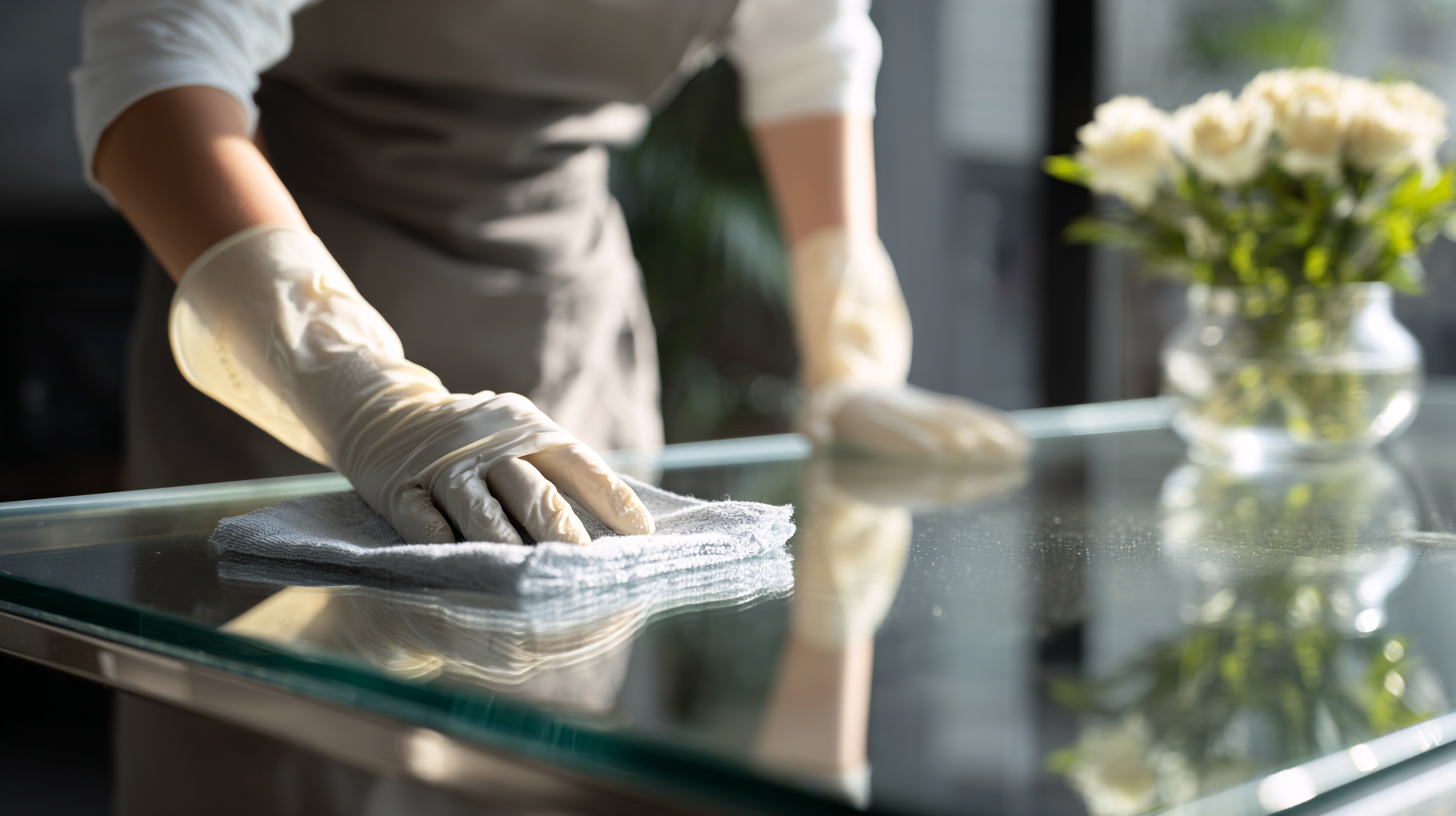
Cleanliness is non-negotiable in Airbnb hosting. But is it possible to overdo it? Yes—and when you do, it can waste time, burn through supplies, or make guests uncomfortable.
In this guide, we explain how to avoid overcleaning your Airbnb, what truly matters to guests, and how to strike the right balance between hygiene, effort, and guest satisfaction.
What Is “Overcleaning”?
Overcleaning isn’t just being thorough—it’s doing more than necessary in a way that:
-
Wastes time or cleaning products
-
Creates strong chemical smells
-
Damages surfaces or furniture
-
Makes guests feel like they’re in a sterile hospital, not a welcoming home
Guests want clean. They don’t want over-sanitised or clinical.
Signs You Might Be Overcleaning
You could be overcleaning if:
-
You’re replacing items that haven’t been used
-
Guests comment on strong smells
-
Your cleaner takes hours longer than needed
-
You’re restocking products after every guest unnecessarily
-
Surfaces are wearing down from frequent scrubbing
Gold Coast hosts aiming for 5-star reviews often go too far. That’s why many use Mi Casa Cleaning Solutions’ AirBnB Cleaning Gold Coast service for efficient, guest-friendly routines.
What Guests Actually Want
Guests want:
✅ A fresh smell
✅ No visible dirt, hair, or grime
✅ Clean linen and towels
✅ Wiped-down kitchen and bathroom
✅ Well-stocked essentials
They don’t want:
❌ Overpowering disinfectant smells
❌ Overly clinical styling
❌ Emptying unused supplies that felt wasteful
❌ Feeling like they’re not trusted to be tidy
Focus on High-Impact Areas
Prioritise your time and energy on what guests notice most:
-
Bathroom
-
Clean the toilet, basin, and shower thoroughly
-
Wipe mirrors, tap handles, and tiles
-
Remove hair from all surfaces
-
Kitchen
-
Clear and wipe counters
-
Check fridge, sink, microwave
-
Remove all food and rubbish
-
Linen
-
Change all bed sheets and towels
-
Wash protectors regularly but not every turnover unless used
-
Smell
-
Ventilate the space
-
Use neutral, fresh scents (not chemicals)
This covers 90% of guest cleaning expectations without overdoing it.
What You Don’t Need to Overdo
🛑 Daily Replacements of Unused Linen
Only replace if the linen has been used. Decorative throws or pillowcases can last a few bookings if stored properly and aired.
🛑 Disinfecting Every Surface Twice
Once is enough—provided it’s done thoroughly and with the right product.
🛑 Constantly Restocking Full Toiletries
Check bottles. If they’re more than half full and clean, no need to swap them out each time.
🛑 Moving Heavy Furniture Every Clean
Only move sofas or beds during deep cleans—not every turnover.
Use Checklists to Stay Efficient
A detailed but realistic cleaning checklist ensures nothing’s missed—but also that nothing unnecessary is done.
Create zones:
-
Essentials (always clean)
-
Conditional (clean if used or visibly dirty)
-
Rotation items (e.g., under furniture every 5 cleans)
Mi Casa follows a strategic AirBnB Cleaning Gold Coast checklist to avoid burnout, overuse of supplies, and wasted effort.
Choose Products That Work Efficiently
Use multi-purpose sprays where possible. Avoid:
-
Harsh bleach for daily use
-
Abrasive scrubbers that wear surfaces
-
Overly perfumed air sprays
Choose:
-
Microfibre cloths
-
Neutral odour disinfectants
-
Natural deodorisers like baking soda or eucalyptus spray
Keep Cleaning Times Reasonable
Turnover cleaning should typically take:
-
Studio: 60–90 minutes
-
1–2 Bedroom: 90–120 minutes
-
Larger homes: 2–3 hours
If you’re spending double the time without major guest mess, you might be overcleaning.
Don’t Let Cleanliness Feel Hostile
Avoid leaving signs like:
-
“Please keep things spotless”
-
“Do not touch this”
-
“Penalty for leaving mess”
This can make guests feel uncomfortable.
Instead:
-
Trust your systems
-
Communicate cleanliness expectations calmly
-
Offer optional mid-stay cleans for long-term guests
Save Deep Cleans for Scheduled Times
Overcleaning happens when you deep clean after every guest—unnecessarily.
Instead:
-
Do full fridge, oven, and under-bed cleaning every 3–5 stays
-
Rotate furniture cleaning on a schedule
-
Maintain daily areas and defer less visible zones
Conclusion
Overcleaning sounds harmless—but it costs time, money, and guest comfort. Airbnb guests don’t need sterile—they need fresh, functional, and visibly clean.
Focus on what matters most. Avoid double-cleaning areas that haven’t been used. Use smart checklists and efficient products. And if you want to hand it all off, Mi Casa Cleaning Solutions offers consistent, well-balanced AirBnB Cleaning Gold Coast services that get it right—without overdoing it.
FAQ
Yes. Overcleaning can waste time, overuse products, wear out surfaces, or make guests feel like the space is overly sterile. Clean thoroughly, but only what’s needed each time.
Spending hours cleaning light messes, replacing unused items, or getting guest complaints about chemical smells may mean you’re doing more than necessary.
If they haven’t been used, there’s no need to replace them every time. Store them properly and rotate as needed. Always replace what was clearly used or soiled.
Bathrooms, beds, kitchen benches, rubbish bins, and floors. They expect cleanliness—not constant sterilisation or unnecessary restocking.
Overuse can leave behind strong smells or cause surface damage. It can also trigger allergies in guests. Use milder, effective products that don’t overwhelm.
Every 3–5 bookings depending on guest usage. Rotate through tasks like oven cleaning, under furniture vacuuming, and grout scrubbing to maintain quality without overdoing it.
Studio: 1–1.5 hours. 2-bedroom: 1.5–2 hours. Larger homes: 2–3 hours. If you’re exceeding this regularly with no guest mess, you may be overcleaning.
Yes, if they’re clean and more than half full. Many guests appreciate sustainable options. Just make sure items are hygienic and wiped down.
Yes. Our [AirBnB Cleaning Gold Coast](https://micasacleaning.com.au/airbnb-cleaning-gold-coast) service is optimised for efficiency and guest standards. We follow smart checklists that prioritise guest comfort and hygiene.
Focus on guest-facing zones and hygiene essentials. Use a strategic cleaning checklist. Schedule deep cleans periodically, not constantly. Let go of what doesn’t impact guest experience.