

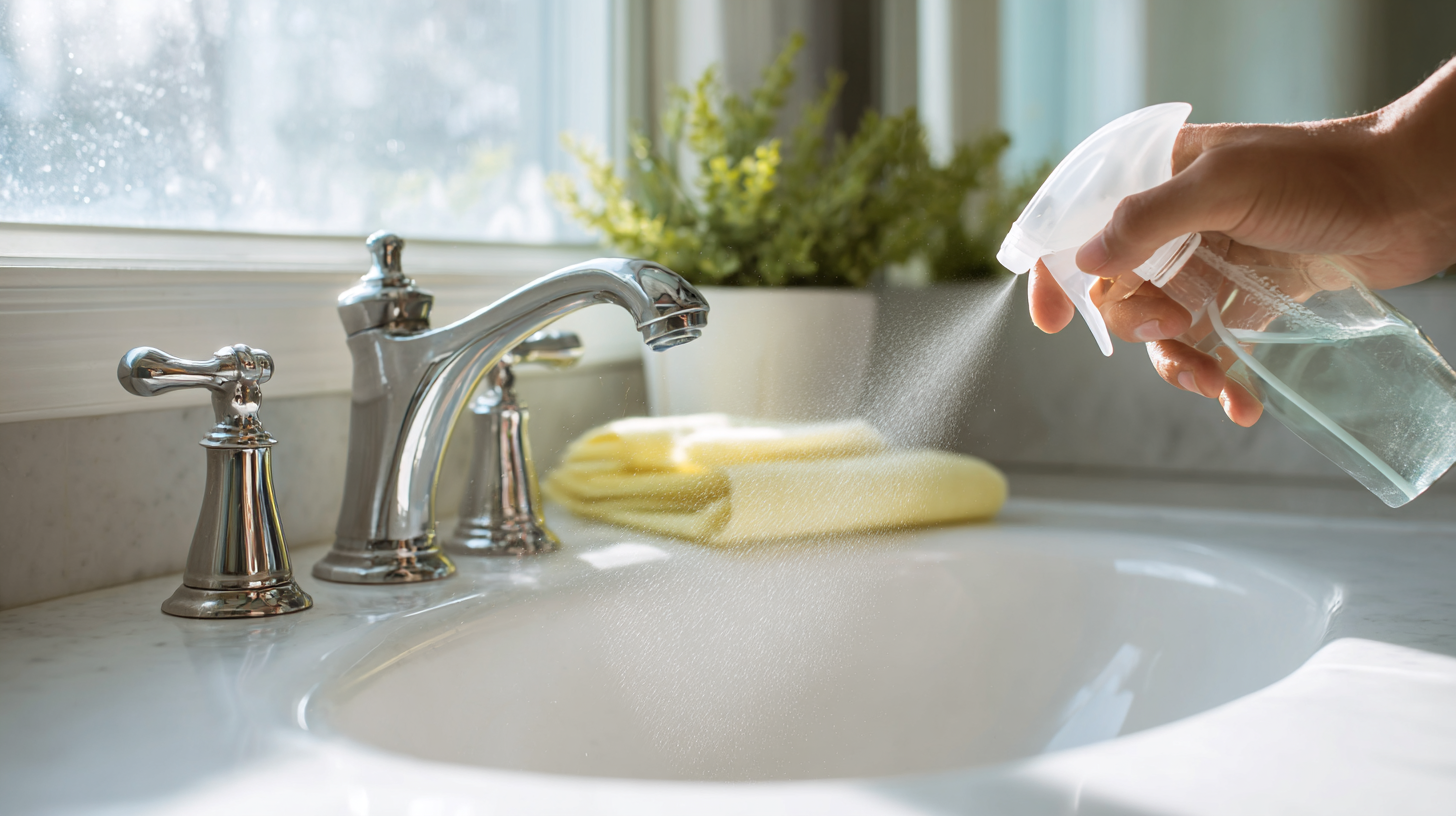
No matter how clean your Airbnb looks, if it smells off—guests will notice. Whether it’s food, pets, body odour, smoke, or something worse, lingering smells can quickly ruin a guest’s first impression and lead to negative reviews.
Here’s a practical guide on how to remove bad smells from Airbnb properties, especially after tough guests or long stays.
Why Smells Linger in Airbnb Properties
Even after a standard clean, smells can linger in:
-
Fabric (sofas, curtains, bedding)
-
Bins and drains
-
Air conditioners or fans
-
Kitchens with strong cooking odours
-
Carpets and rugs
-
Bathrooms with poor airflow
Smells build over time or settle in hidden places. That’s why a clean look doesn’t always mean a fresh scent.
Step 1: Air Out the Property
Start here before anything else:
-
Open all windows and doors
-
Turn on ceiling and exhaust fans
-
Let natural airflow run for at least 15 minutes
-
If possible, prop open wardrobe doors and drawers too
Tip: Ventilation is the cheapest, most effective first step—and it works immediately.
Step 2: Find the Source
Don’t just mask the smell—track it down. Common culprits:
-
Damp towels left in the laundry
-
Forgotten food in the fridge or pantry
-
Rubbish under beds or in bins
-
Smoking in rooms or balconies
-
Dirty filters in the air con
-
Spills or crumbs in sofa cushions
Tip: Get close—sniff near soft furnishings, corners, bins, and drains.
Step 3: Deep Clean the Right Zones
Once you find the likely source, clean thoroughly.
Kitchen
-
Wipe inside fridge, microwave, oven, and bins
-
Scrub the sink and drains with baking soda and vinegar
-
Take out all rubbish and disinfect bins
Bathroom
-
Use anti-mould spray on grout and drains
-
Clean toilet base and back
-
Replace damp mats or towels
Bedroom & Living Areas
-
Remove and wash all linen
-
Vacuum and deodorise rugs and carpet
-
Use fabric spray or baking soda on upholstery
-
Wipe window tracks and sills
Step 4: Neutralise, Don’t Just Mask
Avoid strong air fresheners. Instead:
-
Use baking soda on carpet or fabric for 1 hour before vacuuming
-
Simmer lemon or cinnamon on the stove briefly
-
Place bowls of vinegar or coffee grounds overnight to absorb odours
-
Use eucalyptus or tea tree oil in a diffuser for a natural, fresh smell
Tip: Smells like bleach or heavy fragrance can backfire and seem like you’re covering something up.
Step 5: Wash or Replace These Often
Some items trap smells and need regular refresh:
-
Pillow inserts
-
Mattress protectors
-
Tea towels and sponges
-
Couch throws
-
Curtain sheers
-
Bathroom mats
-
Rubbish bins
Mi Casa’s AirBnB Cleaning Gold Coast team can rotate and manage these extras for you during deeper or seasonal cleans.
Step 6: Address Pet, Smoke or Food Smells Separately
Pet Smells
-
Vacuum rugs, furniture, and pet-friendly zones thoroughly
-
Use enzyme sprays to break down pet odours
-
Replace any soft items used by animals
Smoke
-
Clean walls with sugar soap or vinegar spray
-
Wash all linen, curtains, and couch cushions
-
Replace air conditioning filters
Food Odours
-
Clear and disinfect bins
-
Wipe all cooking surfaces
-
Check for drips or spills inside cabinets or under appliances
Step 7: Prevent Future Smells
Don’t wait for guests to leave bad odours. Instead:
-
Leave windows open for a few hours between bookings
-
Use mild, pleasant deodorisers in soft furnishings
-
Replace vacuum bags or filters regularly
-
Schedule a professional deep clean monthly
-
Provide clear rubbish instructions for guests
Conclusion
A clean-looking space isn’t enough—guests need it to smell clean too. That’s why knowing how to remove bad smells from Airbnb properties is just as important as wiping surfaces and changing linen.
If you’re tired of playing scent detective, let Mi Casa Cleaning Solutions handle it. Our AirBnB Cleaning Gold Coast service includes full deodorising, odour source removal, and smart strategies to keep your listing fresh—even after the toughest guests.
FAQ
Food waste, damp towels, and soft furnishings are the biggest culprits. Fridges, bins, and fabrics trap odours that build up over multiple stays.
Ventilate first, then clean kitchen surfaces and drains. Use natural deodorisers like lemon or vinegar and wipe inside appliances. Avoid covering it with strong sprays.
Open windows, clean surfaces with vinegar or sugar soap, wash all linen and curtains, and replace air filters. A deep clean may be needed for soft furnishings.
Yes—but keep them light and natural. Avoid overpowering sprays. Guests prefer fresh, subtle scents that feel clean rather than artificial.
Sprinkle baking soda on cushions and let it sit for an hour before vacuuming. You can also use fabric-safe odour sprays or steam clean when needed.
Clean or replace the filter. Mould or dust in units causes smells. If it persists, have the system professionally serviced and deodorised.
Yes. Many odours hide in clean-looking areas—like under the bed, inside bins, or between couch cushions. A visual check isn’t enough after a smelly guest.
Yes. Our [AirBnB Cleaning Gold Coast](https://micasacleaning.com.au/airbnb-cleaning-gold-coast) service includes odour removal, deodorising, and ventilation steps that stop smells before the next guest arrives.
Air out your property regularly, keep bins and fridges clean, rotate linen, and replace or wash soft furnishings often. Schedule deep cleans every few weeks.
Yes. Even if everything looks spotless, a stale or strange smell is often the first thing guests notice—and one of the most common reasons for poor reviews.