

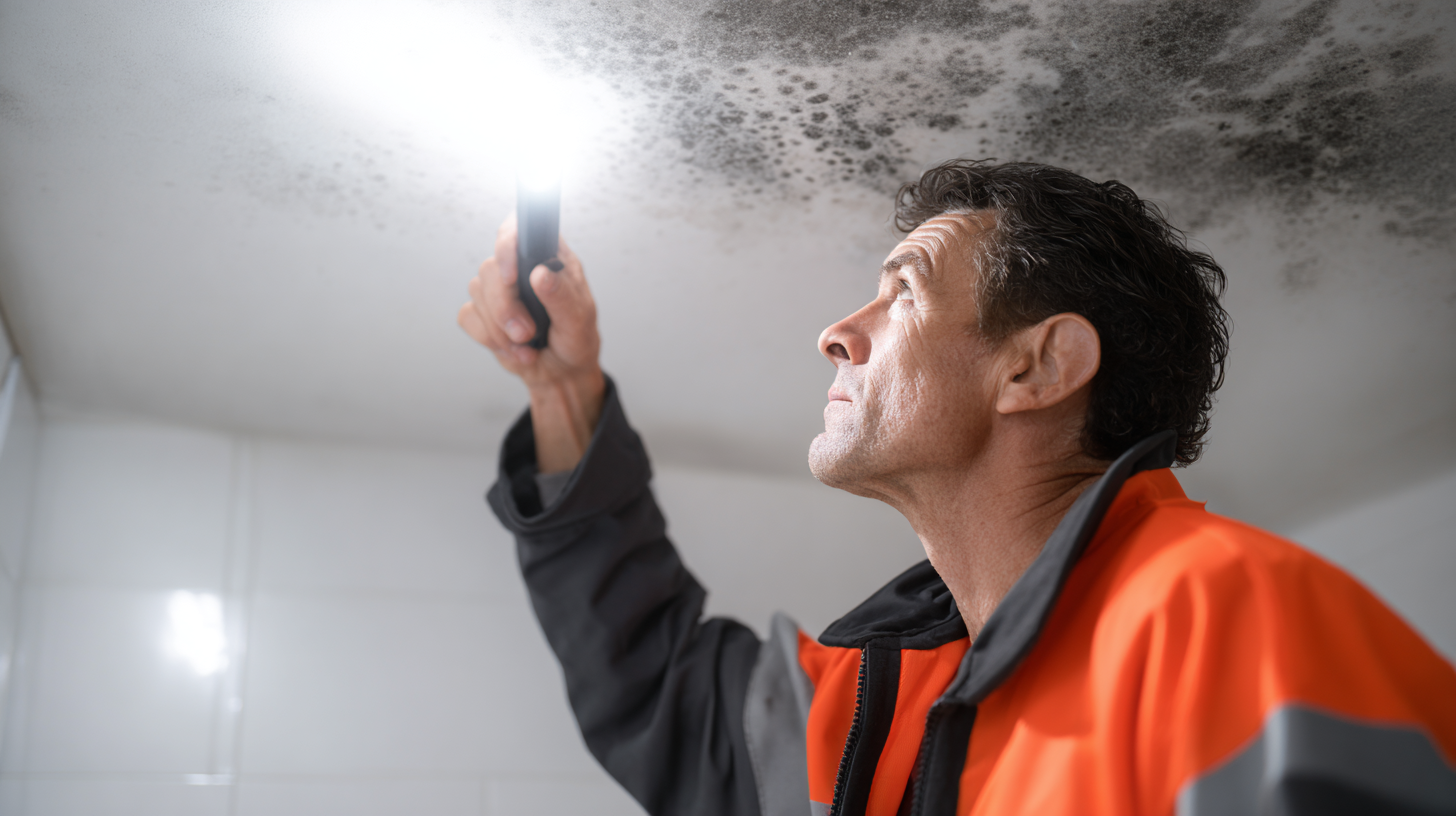
Mould is more than just a cleaning nuisance—it’s a health risk, a deal-breaker for guests, and a fast track to bad reviews. If you host on the Gold Coast, where humidity and coastal air are part of the lifestyle, mould is something you need to stay ahead of.
In this post, we explain how mould affects your Airbnb, what causes it, where to find it, and how to prevent it—without scaring off your guests or damaging your listing.
Why Mould Is a Problem for Airbnb Hosts
Mould:
-
Damages walls, ceilings, grout, and paint
-
Smells bad (musty, damp odour)
-
Can cause breathing issues, especially for guests with asthma or allergies
-
Makes bathrooms, bedrooms, and wardrobes feel unclean
-
Is one of the most common reasons for guest complaints or refund requests
Airbnb guests expect a safe, fresh-smelling environment. If they find mould, they’ll mention it in reviews—or worse, leave early.
What Causes Mould in Airbnb Properties?
The main contributors:
-
High humidity (common on the Gold Coast)
-
Poor ventilation
-
Leaks or water damage
-
Wet towels or linen left inside
-
Long gaps between deep cleans
-
Blocked or unclean exhaust fans
If you’re near the beach, mould risk is even higher because of damp air and salt exposure.
Common Places Mould Grows in Airbnbs
You can’t fix what you can’t see. Check:
-
Bathroom ceilings and grout
-
Inside showers and shower corners
-
Behind bathroom doors or curtains
-
Under sinks or around pipework
-
Inside wardrobes (especially with sliding doors)
-
Behind beds or couches against external walls
-
Window tracks and frames
At Mi Casa Cleaning Solutions, we check these areas during every AirBnB Cleaning Gold Coast service.
Signs Your Airbnb Has Mould (Even If You Can’t See It)
-
Damp or musty smell when entering
-
Condensation on windows
-
Dark patches forming on ceiling or tiles
-
Guests mentioning “damp” or “weird smells” in reviews
-
Increased dust or allergy reactions from guests
Early detection prevents major repairs—and keeps guests happy.
How to Prevent Mould in Your Airbnb
✅ Improve Ventilation
-
Keep windows open during and after cleaning
-
Use working exhaust fans in bathrooms and kitchens
-
Leave wardrobe doors ajar between stays
-
Install moisture absorbers or small dehumidifiers if needed
✅ Use the Right Products
-
Spray vinegar on grout and tiles to stop mould forming
-
Use mould-inhibiting bathroom cleaners
-
Wipe dry after cleaning instead of letting moisture sit
✅ Rotate and Wash Linen Promptly
Don’t leave damp towels or wet linen in the laundry or cupboards. Wash, dry, and store linen in dry areas with good airflow.
✅ Deep Clean Monthly
-
Scrub grout
-
Clean fan filters
-
Air out the entire property
-
Move furniture to check walls and skirtings
What to Do if You Find Mould
-
Don’t ignore it. Guests will notice—and may report it.
-
Clean affected areas with vinegar or mould-specific products
-
Dry the space completely
-
Identify the cause (e.g. leak, blocked fan, poor airflow)
-
Fix the problem, not just the stain
-
Document it if it affected a guest’s stay
Mi Casa Cleaning Solutions offers mould spot-treatment as part of our AirBnB Cleaning Gold Coast service plan.
Mould and Airbnb’s Health & Safety Standards
Airbnb’s safety policies require:
-
A clean, safe environment
-
Protection from environmental hazards (like mould)
-
Immediate resolution of cleanliness complaints
Hosts who ignore mould risk penalties, cancellations, or listing removal in severe cases.
When to Call in a Professional
If mould:
-
Keeps returning despite cleaning
-
Appears on ceilings, walls, or ceilings
-
Affects the guest experience
…it’s time to bring in a pro.
At Mi Casa Cleaning Solutions, we help hosts identify, treat, and prevent mould before it affects your business.
Conclusion
Mould can quietly damage your Airbnb—and your reputation—if you don’t take it seriously. But with the right tools, cleaning practices, and awareness, you can stay ahead of it.
Mi Casa Cleaning Solutions provides expert AirBnB Cleaning Gold Coast services, including mould prevention and treatment for bathrooms, bedrooms, and living spaces. We keep your space fresh, safe, and guest-ready—so your next review is “spotless,” not “smelly.”
FAQ
Mould poses health risks, smells bad, and signals poor maintenance. Guests expect a clean, safe environment. If they spot mould, they may leave a bad review or request a refund—which damages your reputation and earnings.
Use exhaust fans, leave the bathroom door open after showers, spray vinegar weekly on grout, and dry wet areas after cleaning. These steps reduce moisture build-up that leads to mould growth.
Common areas include bathroom ceilings, grout, under sinks, window tracks, wardrobes, and behind furniture placed against external walls. These areas often stay damp and aren’t checked regularly by hosts.
Watch for review mentions like “damp smell,” “felt musty,” or “looked clean but smelled off.” Guests may also privately message you about it. These are signs that mould may be present, even if not visible.
You can handle small patches with vinegar or anti-mould spray. For persistent or large areas, especially in bathrooms or ceilings, it’s safer and more effective to use a professional cleaning team.
If multiple guests report health or safety issues related to mould and the host does not address it, Airbnb can temporarily or permanently suspend a listing under its safety standards.
Vinegar is a safe and effective option for most surfaces. For tile or grout, use a bathroom cleaner that targets mould and mildew. Avoid bleach unless you’re treating only white surfaces—it can damage coloured grout or surfaces.
Yes, especially guests with asthma, allergies, or respiratory issues. Mould spores can cause headaches, coughing, skin irritation, or breathing problems. This makes it a major concern for Airbnb hosts.
Check high-risk areas weekly during regular cleaning, and do a deeper inspection monthly—especially during wet or humid seasons. Early action prevents expensive repairs and guest complaints.
Yes. Our [AirBnB Cleaning Gold Coast](https://micasacleaning.com.au/airbnb-cleaning-gold-coast) team includes mould spot treatment in our cleaning routines. We also advise hosts on moisture prevention, ventilation improvements, and long-term mould control.